
A combined study programme exists when students “select individual courses from a larger number of courses permitted for the program” (Section 32(1) MRVO; see also Section 32 in its entirety). These courses each constitute a partial study programme within the combined study programme. Students thus typically choose two or three subjects; it is less common to have more than three mandatory subjects.
The scope of the partial study programmes to be selected within a combined study programme varies; two structural models are common: A combined study programme may consist of two partial study programmes of equal size, or it may combine one larger partial study programme with one or more smaller partial study programmes. In the latter case, the terms “major and minor” or “Major/Minor” are sometimes used. However, this should be distinguished from degree structures consisting of a single study programme with integrated, elective minors. For a distinction between combined study programmes with partial study programmes and study programmes with integrated minors, see FAQ 15.3.
Figure 1 illustrates the structure of combined study programmes in comparison to study programmes with integrated minors; Figure 2 provides examples of the two common structural models.
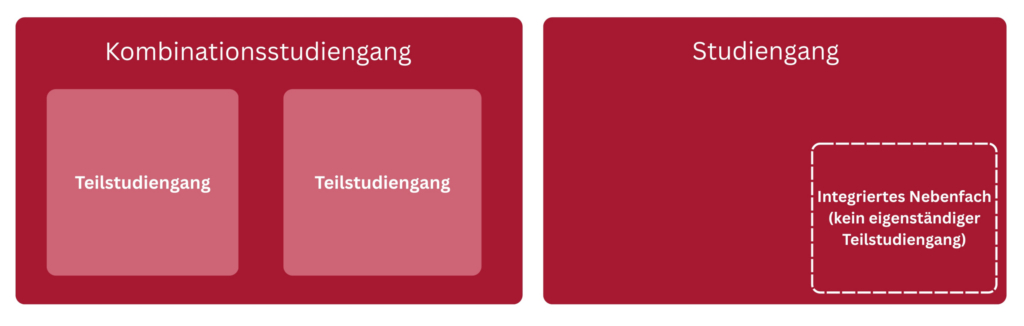
Figure 1: Combined Study Programme vs. Study Programme with an Integrated Minor
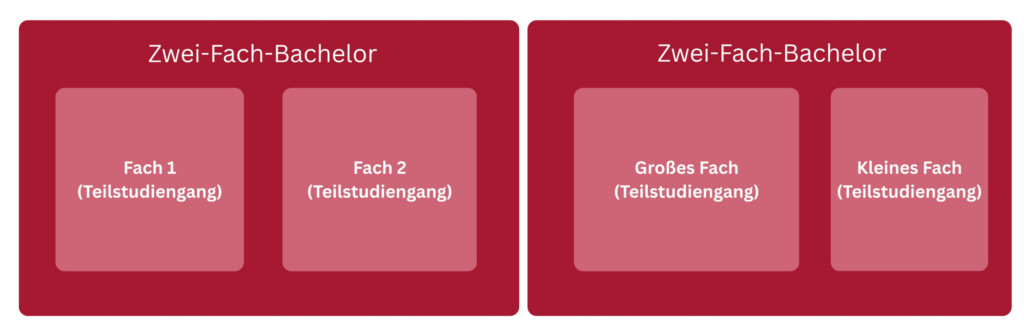
Figure 2: Examples of structural models for combined study programmes
Note on the publication date: FAQ 10.1 published in August 2018 has been merged into the new FAQs 10.1-10.5.